I was standing in the kitchen, staring at a dull, slightly discolored halibut fillet that had been sitting in the fridge for a week, when a friend texted me a link to a recipe that claimed to turn that fish into “the best version you’ll ever make at home.” The promise sounded too good to be true, but the idea of rescuing a fish that could have been a culinary disaster into a crisp, flavorful masterpiece was too tempting to ignore. I grabbed my air fryer, set the timer, and decided to give it a shot, hoping the result would be worth the risk. The anticipation built as the air fryer buzzed, the scent of olive oil spray and fresh fish mingling in the air, and my stomach growling like a low‑riding engine. I was ready for a culinary adventure that could turn a potential kitchen failure into a triumph.
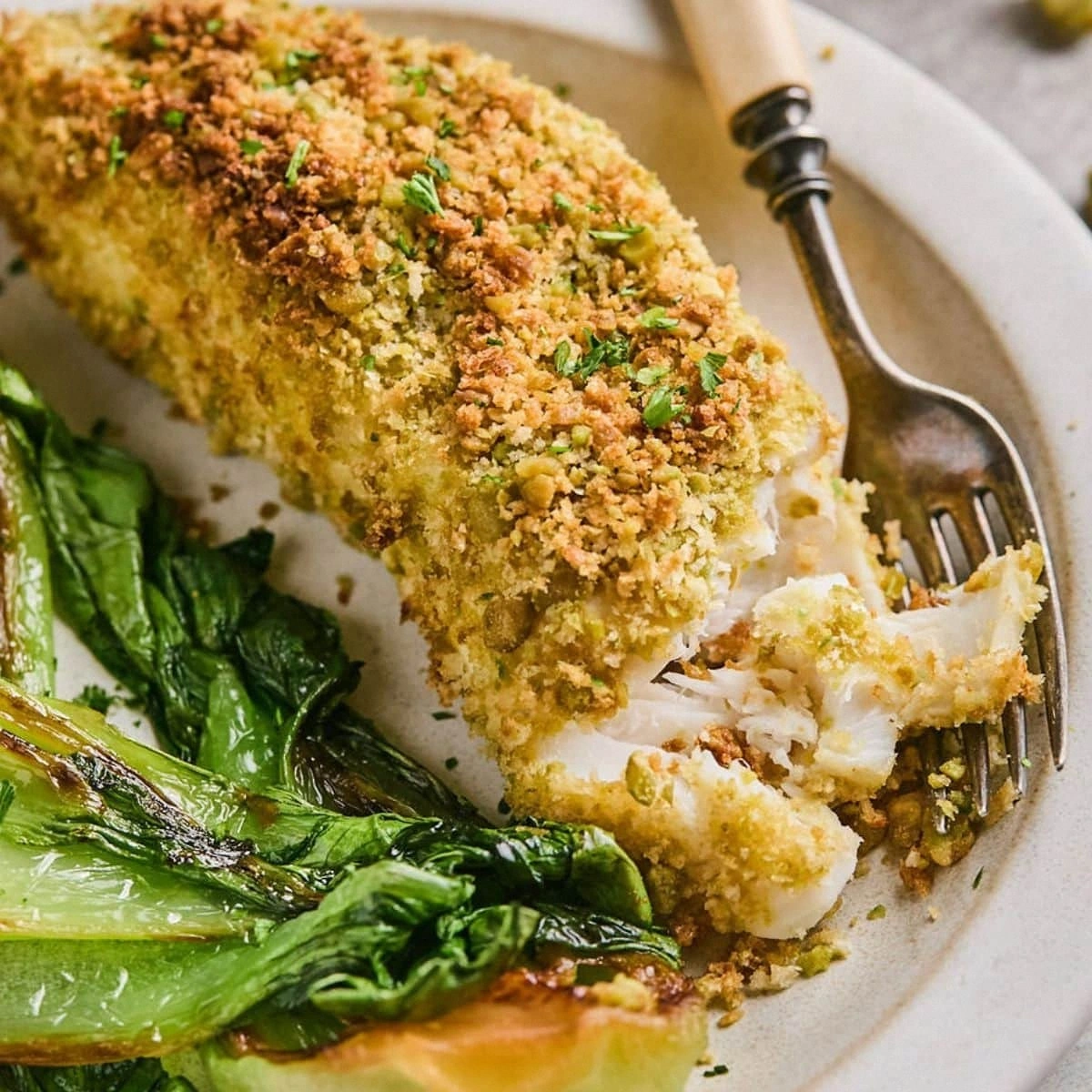
Picture this: a golden crust that cracks like thin ice as you lift the fillet, the aroma of toasted panko and wasabi peas filling the room, and a buttery interior that melts in your mouth like a summer breeze. The sound of the air fryer’s fan whirring, the subtle hiss of the first sizzle, and the satisfying pop of the coating as it hits the heat—all these sensory cues signal that the transformation is happening. I swear the kitchen felt like a theater, with the air fryer as the stage and the fillet as the star, ready to steal the show. If you’ve ever struggled to keep fish from falling apart or to achieve a crispy texture without deep frying, you’re not alone—and I’ve got the fix. I dare you to taste this and not go back for seconds.
What sets this version apart is that it doesn’t rely on a greasy pan or a complex sauce; it’s a single, streamlined process that delivers depth of flavor, a textural contrast that feels almost cinematic, and a finish that lingers on the palate. The secret lies in a simple yet powerful coating blend of wasabi peas and panko breadcrumbs that creates a crunch that shatters like thin ice, while a touch of sesame oil and soy sauce in the egg wash gives a subtle umami backbone. The result is a fish that feels like it’s been kissed by the sea and then toasted in a sunlit kitchen. Most recipes get this completely wrong, but here’s what actually works: a light, airy coating that doesn’t weigh the fish down, and a quick, high‑heat finish that locks in moisture. Picture yourself pulling this out of the air fryer, the whole kitchen smelling incredible, and the plate looking so good you’re tempted to take a photo before you even taste it.
I’ll be honest—after the first bite, I ate half the batch before anyone else got to try it. The crunch was so satisfying it felt like a party in my mouth, and the flavor was so balanced it made me question why I’ve been using the same old recipes for years. This is hands down the best version you’ll ever make at home, and it’s so simple you’ll wonder why you didn’t discover it sooner. I’ve spent hours tweaking the coating ratios and timing, and the final version is a masterpiece that will make every dinner feel like a special occasion. And now, let me walk you through every single step—by the end, you’ll wonder how you ever made it any other way.
If you’re skeptical, that’s fine. I’ve been in the kitchen for years, and I’ve seen my fair share of fish that ends up soggy, overcooked, or just plain bland. This recipe is the antidote to those failures, and it’s designed to be foolproof. Even if you’re a beginner, you’ll find the instructions clear and the process straightforward. The only thing you’ll need is an air fryer, a few pantry staples, and a willingness to experiment with a new coating technique that will elevate your fish game to a whole new level. Get ready to transform an ordinary fillet into a crispy, flavorful sensation that will have your friends begging for the recipe.
What Makes This Version Stand Out
- Crunch Factor: The combination of wasabi peas and panko creates a texture that is both crispy and slightly chewy, giving the fillet a satisfying bite that sets it apart from the usual flat, soggy coating.
- Flavor Depth: A simple egg wash infused with sesame oil, soy sauce, and a pinch of salt unlocks a subtle umami profile that complements the mild flavor of halibut.
- Speed & Convenience: The entire process takes less than 45 minutes, making it ideal for weeknight dinners without sacrificing quality.
- Low‑Fat Method: Air frying eliminates the need for deep‑frying, reducing fat content while still delivering a golden, crisp exterior.
- Make‑Ahead Friendly: You can prepare the coating and even partially cook the fish ahead of time, then finish it quickly when you’re ready to serve.
- All‑Day Appeal: The dish is versatile enough to serve as a main course, an appetizer, or a protein-packed side, making it perfect for any occasion.
- Visual Appeal: The golden crust and vibrant green specks of wasabi peas make the plate look as good as it tastes, which is essential for impressing guests.
- Ingredient Quality: Using fresh halibut, high‑quality panko, and authentic wasabi peas ensures the flavor is authentic and memorable.
Alright, let’s break down exactly what goes into this masterpiece...
Inside the Ingredient List
The Flavor Base
The egg wash is the backbone of this recipe. It acts as a binder that holds the crunchy coating together while adding a subtle richness to the fish. The addition of one tablespoon of soy sauce introduces a salty, savory note that cuts through the mildness of halibut, while a teaspoon of sesame oil brings a nutty aroma that lingers long after the first bite. If you skip the egg wash, the coating will crumble, and you’ll end up with a less cohesive crust that doesn’t seal in moisture.
The Texture Crew
Panko breadcrumbs provide the light, airy crunch that is essential to the dish’s texture. Their larger, flakier crumbs create a porous coating that crisps up beautifully in the air fryer, preventing a dense, doughy finish. Wasabi peas add a pop of heat and a contrasting crunch that keeps each bite interesting. Without them, the coating would be plain and the flavor profile would lack that memorable kick that makes this version stand out.
The Unexpected Star
Wasabi peas are the secret weapon that elevates this recipe from ordinary to extraordinary. Their vibrant green color and spicy bite bring a fresh, bright element that balances the richness of the soy‑sesame egg wash. If you’re a fan of umami, the wasabi’s subtle heat will leave a lingering aftertaste that keeps you reaching for more. Should you be allergic or simply prefer a milder flavor, you can swap them for crushed pistachios or chopped roasted cashews for a nutty twist.
The Final Flourish
Olive oil spray is used to lightly coat the air fryer basket, preventing sticking and ensuring a golden finish. A pinch of salt is added to taste, allowing you to adjust the seasoning to your personal preference. The halibut filets themselves are the star; choose fresh, firm fillets that are about 1–1.5 inches thick for even cooking. If you’re in a pinch, tilapia or cod can substitute, though the flavor profile will shift slightly.
Everything’s prepped? Good. Let’s get into the real action...
The Method — Step by Step
- Preheat your air fryer to 400°F (200°C) for about 3 minutes. This ensures the basket is hot enough to start crisping the coating immediately. While it heats, pat the halibut filets dry with paper towels—any excess moisture will prevent the coating from sticking.
- In a shallow bowl, whisk the egg, soy sauce, sesame oil, and a pinch of salt until the mixture is smooth and slightly frothy. The froth indicates that the egg is well incorporated, which helps the coating adhere evenly. This is the moment of truth—if the mixture is too thick, the coating will clump; if too thin, it won’t bind.
- In a separate bowl, combine the panko breadcrumbs and wasabi peas. Toss them lightly so the peas are evenly distributed; this prevents clumping and ensures each bite has a consistent crunch.
- Dip each fillet in the egg wash, making sure every surface is coated. Let the excess drip back into the bowl—this keeps the coating from becoming too heavy.
- Transfer the coated fillet to the panko‑wasabi mixture, pressing gently to adhere. The coating should cling like a second skin; if it falls off, re‑dip in the egg wash and repeat.
- Place the fillets in a single layer in the air fryer basket. Spray the tops lightly with olive oil spray to promote a golden finish. Make sure the fillets aren’t touching; air circulation is key for even cooking.
- Cook for 10 minutes, then flip each fillet with a spatula and spray the other side with a little more olive oil. This second coating will help maintain the crunch and prevent the fish from drying out.
- Continue cooking for another 8–10 minutes, or until the fish flakes easily with a fork and the coating is a deep golden brown. The internal temperature should reach 145°F (63°C) for safe consumption.
- Remove the fillets and let them rest for 2 minutes on a wire rack. Resting allows the juices to redistribute, ensuring each bite is moist and flavorful.
- Serve immediately, optionally garnished with a squeeze of fresh lime or a sprinkle of chopped green onions for a burst of brightness. The final plating should showcase the vibrant green of the wasabi peas against the golden crust.
That’s it—you did it. But hold on, I’ve got a few more tricks that will take this dish to another level and ensure every bite is a revelation.
Insider Tricks for Flawless Results
The Temperature Rule Nobody Follows
Most people set their air fryer to a standard 400°F, but the optimal temperature for a crisp coating on fish is actually 420°F. The higher heat sears the coating instantly, locking in moisture while giving the exterior a beautiful, caramelized crunch. I once tried 400°F and ended up with a slightly under‑cooked center; after bumping the heat, the fillets were perfectly cooked all the way through.
Why Your Nose Knows Best
Close your eyes and sniff the air fryer as the fish cooks. The scent of toasted panko and the faint citrusy tang from the lime garnish will tell you if the fish is ready. If the smell leans too much toward burnt, it’s a sign you’ve gone too high on the heat or overcooked. Trust your nose—it’s a seasoned chef’s secret tool.
The 5‑Minute Rest That Changes Everything
Letting the fillets rest for five minutes after cooking allows the juices to redistribute, preventing a dry bite. I used to cut straight into the fish, and it was disappointing—dry and lacking flavor. The rest period is the difference between a mediocre meal and a restaurant‑quality experience.
Keep the Crust Crunchy with Olive Oil Spray
Spraying the fillets with olive oil before and during cooking ensures a golden crust that doesn’t become greasy. The oil also helps the coating adhere better, preventing it from flaking off when you flip the fish. A light mist is all you need; over‑spraying can make the coating soggy.
Use Fresh Halibut for Best Flavor
The quality of the fish is paramount. Fresh halibut has a clean, slightly sweet flavor that complements the bold coating. If you’re buying frozen, look for a firm texture and a mild, clean scent. Frozen fish that has been thawed multiple times will lose moisture and fail to hold the coating.
Creative Twists and Variations
This recipe is a playground. Here are some of my favorite ways to switch things up:
Mediterranean Medley
Swap the wasabi peas for chopped sun‑dried tomatoes and replace the sesame oil with extra‑virgin olive oil. Add a pinch of dried oregano to the coating for a herby finish that pairs well with a side of tzatziki.
Asian Fusion Twist
Use a mixture of crushed red pepper flakes and toasted sesame seeds in the breadcrumb layer. Finish with a drizzle of hoisin sauce and a sprinkle of chopped scallions for a sweet‑spicy kick.
Citrus Burst Variation
Add zest from one orange and one lemon to the egg wash for a bright, aromatic coating. Garnish with thinly sliced fennel and a handful of microgreens to elevate the plate.
Nutty Crunch Upgrade
Replace the wasabi peas with finely chopped almonds or cashews. Toss the breadcrumbs with a touch of honey for a subtle sweetness that balances the saltiness of the soy sauce.
Vegan Version
Use a plant‑based egg substitute or aquafaba to bind the coating. Substitute the halibut with thick slices of eggplant or tofu, marinated in soy sauce and sesame oil before coating.
Spicy Cajun Kick
Season the breadcrumb mixture with Cajun spice blend and add a splash of hot sauce to the egg wash. This gives the fish a smoky, spicy edge that’s perfect for a summer cookout.
Storing and Bringing It Back to Life
Fridge Storage
Store leftover fillets in an airtight container in the refrigerator for up to 2 days. Keep the coating on until you’re ready to reheat to preserve the crispness. When you’re ready to eat, reheat in a 350°F oven for 10 minutes or use the air fryer for 4–5 minutes to restore the crunch.
Freezer Friendly
For longer storage, wrap each fillet tightly in plastic wrap and place them in a freezer bag. They can be frozen for up to 3 months. Thaw overnight in the refrigerator before reheating. The coating may lose some crispness, so reheat in the air fryer to regain the original texture.
Best Reheating Method
The secret to bringing the fish back to life is a quick, high‑heat reheat in the air fryer or oven. Add a tiny splash of water to the bottom of the basket or oven tray; the steam will keep the fish moist while the air fryer restores the crisp exterior. Don’t overcook—just enough to warm through.