I was halfway through a burnt lasagna when my phone buzzed with a message from a friend who swore the best curry in town was a coconut‑based chicken dish. The promise of silky coconut milk, fiery red curry paste, and a splash of lime made my stomach do a happy dance. I grabbed a pot, a skillet, and a handful of curiosity, and I was ready to test that claim. The kitchen smelled like a tropical storm brewing, the colors of red curry and bright green veggies painted a vibrant tableau. I couldn't help but think that this could be the dish that finally solved my midnight cravings.
The first sizzle as the oil met the hot pan sounded like applause, and the aroma that rose was a mix of sweet coconut, sharp garlic, and smoky chilies. I watched the red curry paste swirl into a glossy sauce, its color deepening as it caramelized just enough to release its full flavor. The moment the chicken hit the pan, a crackle that echoed like tiny fireworks signaled that the protein was about to be enveloped in that velvety sauce. My senses were on a roller coaster: the heat of the paste, the coolness of the coconut milk, the bright pop of lime zest. It felt like a culinary fireworks display, but without the risk of a kitchen catastrophe.
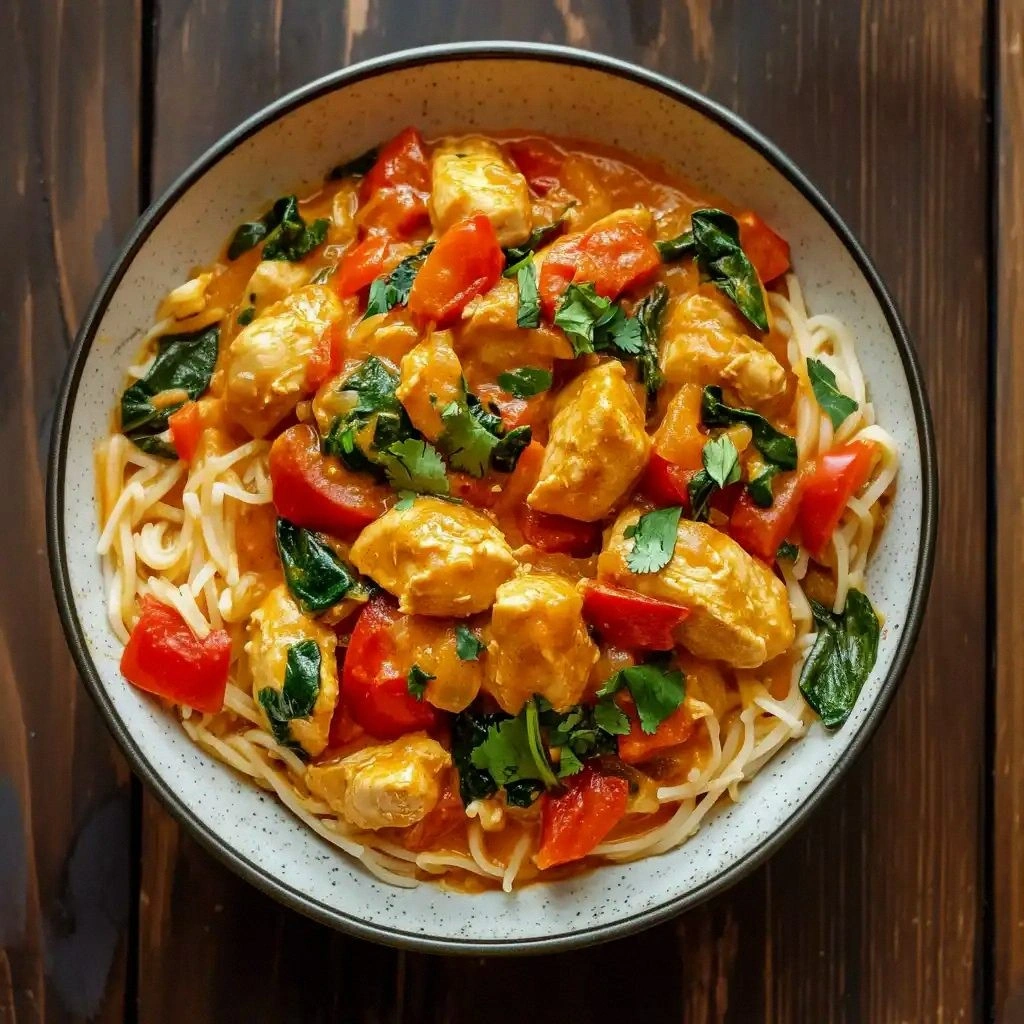
I dared myself to taste this and not go back for seconds, but as soon as I lifted a spoon, the world seemed to pause. The sauce clung to the noodles like a silky blanket, and each bite offered a burst of sweet, salty, and spicy notes that danced on my tongue. The snap peas added a satisfying crunch that broke the softness of the noodles, while the crushed peanuts offered a nutty counterpoint that grounded the dish. The lime wedges, when squeezed, lifted the entire flavor profile into a fresh, zesty realm. I was instantly convinced that this version was hands down the best I had ever made at home.
What sets this recipe apart from the countless coconut curry variations is not just the balance of flavors but the technique that ensures every ingredient shines. The chicken is seared to lock in juices before being bathed in the sauce, preventing it from turning mushy. The rice noodles are tossed in a quick blanch to keep them al dente, so they absorb the sauce without becoming soggy. The final flourish of fresh cilantro and a squeeze of lime are not mere garnish—they are the finishing touch that elevates the dish from good to unforgettable. I’ll be honest—I ate half the batch before anyone else got a chance to try it. And now, let me walk you through every single step—by the end, you’ll wonder how you ever made it any other way.
Picture yourself pulling this out of the skillet, the whole kitchen smelling incredible, the steam rising like a tropical cloud. The first spoonful melts in your mouth, the sauce’s silky texture enveloping the noodles, the heat of the red curry teasing your palate. The crunch of snap peas and the nutty crunch of peanuts add layers that keep you reaching for more. If you've ever struggled with coconut curry that tastes either too bland or too overpowering, you're not alone—I've been there. This recipe is a playground, and I'm about to show you how to make it your own.
I’m not just sharing a recipe; I’m handing you a secret weapon for dinner parties, weekday meals, or a spontaneous lunch that feels like a vacation. The best part? It’s quick—under 30 minutes from start to finish—and the ingredients are pantry staples you probably already have. There’s no need to hunt for exotic spices or spend hours marinating. All you need is a splash of lime, a handful of cilantro, and a pinch of crushed peanuts, and you’re ready to wow. So, buckle up, because this next section will break down exactly what goes into this masterpiece.
What Makes This Version Stand Out
- Flavor Harmony: The sauce balances sweet coconut, salty fish sauce, and fiery red curry, creating a layered profile that keeps each bite exciting. The lime and cilantro cut through the richness, leaving a clean finish.
- Texture Contrast: Snap peas and crushed peanuts provide crispness that counteracts the softness of noodles and chicken, turning every mouthful into a sensory adventure.
- Quick Prep: With a prep time under 15 minutes, this dish is perfect for busy nights, yet the result feels like a restaurant‑grade meal.
- Versatile Base: Swap the chicken for tofu or shrimp, or use gluten‑free noodles, and the recipe stays true to its core flavor while accommodating dietary needs.
- Crowd‑Pleaser: Friends rave about the vibrant colors and bold flavors, and the dish is so adaptable that it works for both casual dinners and themed parties.
- Ingredient Integrity: Fresh, high‑quality ingredients—especially the coconut milk and red curry paste—make the difference between a mediocre and a memorable dish.
- Make‑Ahead Friendly: The sauce can be pre‑made and stored, and the noodles can be cooked in advance, allowing you to assemble the dish in minutes.
Inside the Ingredient List
The Flavor Base
Red curry paste is the heart of this dish; its blend of chilies, lemongrass, and galangal delivers heat and depth. Coconut milk provides a creamy backdrop that softens the spice and adds a subtle sweetness. Fish sauce and soy sauce bring umami and saltiness, balancing the richness of the coconut. A touch of brown sugar ties everything together, preventing the curry from tipping into bitterness.
The Protein Powerhouse
Chicken breast or thighs are the mainstay; thighs offer more moisture and flavor, while breasts stay lean and tender when seared correctly. Searing the chicken first locks in juices and creates a caramelized exterior that enhances texture. If you prefer a plant‑based version, firm tofu or shrimp can replace the chicken without altering the flavor profile.
The Veggie Vanguard
Bell pepper adds bright color and a sweet crunch that contrasts the sauce’s warmth. Snap peas or spinach bring a fresh, vegetal note and a satisfying snap. Shredded carrots or sliced mushrooms can be added for extra texture and an earthy undertone. Each vegetable’s timing is crucial—add them toward the end to preserve their color and bite.
The Final Flourish
Fresh lime wedges are the secret weapon; squeezing them just before serving brightens every flavor and adds a citrusy zing. Crushed peanuts contribute a nutty crunch and a subtle roasted flavor that anchors the dish. Fresh cilantro or Thai basil provides a burst of herbal freshness, while a drizzle of sriracha or a pinch of chili flakes gives the final heat kick. These garnishes are more than decoration—they’re the finishing touch that turns a good dish into an unforgettable meal.
Everything's prepped? Good. Let's get into the real action...
The Method — Step by Step
- Heat the vegetable oil in a large skillet over medium‑high heat until shimmering. Add the chicken pieces, searing each side until golden brown and just cooked through; this should take about 4–5 minutes. Remove the chicken and set aside, letting it rest so the juices redistribute. The sear locks in moisture and creates a caramelized crust that’s essential for flavor. While the chicken rests, the pan will be ready for the next layer of aroma.
- Add the red curry paste to the same skillet, letting it sizzle for 30 seconds. The aroma will intensify, turning the air fragrant with chilies and herbs. Stir constantly to avoid burning; the paste should darken slightly, indicating it’s released its oils. This step is where the foundation of the sauce is built, so give it the attention it deserves.
- Pour in the coconut milk, then add the chicken broth, stirring to combine. Bring the mixture to a gentle simmer, watching for bubbles to form. This is the moment the sauce starts to thicken; the coconut milk will coat the back of a spoon. The simmer also allows the flavors to meld, creating depth that will carry through the dish.
- Stir in fish sauce, soy sauce, and brown sugar. Taste the sauce; it should be sweet, salty, and slightly tangy. Adjust with more sugar or fish sauce if needed. The balance here is crucial—over‑salting can drown the coconut’s subtle sweetness, while too much sugar can mask the curry’s heat.
- Return the seared chicken to the skillet, letting it simmer in the sauce for 3–4 minutes. The chicken will absorb the flavors, becoming tender and infused. This step ensures the protein is the star of the show rather than a background element. Keep the heat moderate to prevent the sauce from boiling away too quickly.
- While the chicken simmers, blanch the rice noodles in boiling salted water for 1–2 minutes, then drain and rinse under cold water. Toss the noodles in a little oil to prevent sticking. This quick blanch preserves the noodles’ al dente bite, preventing them from becoming mushy once tossed with the sauce.
- Add the blanched noodles, bell pepper, snap peas, and carrots or mushrooms to the skillet. Toss everything together, allowing the vegetables to steam in the sauce for 2–3 minutes. The veggies should stay crisp, providing a satisfying crunch that contrasts the sauce’s silkiness. This is where the dish transforms from simple to spectacular.
- Finish the dish by stirring in fresh lime juice, crushed peanuts, and a pinch of sriracha or chili flakes. Sprinkle chopped cilantro or Thai basil on top. The lime brightens the sauce, while the peanuts add a nutty crunch and the sriracha gives a subtle heat that lingers. Plate the noodles, drizzle any remaining sauce, and garnish with lime wedges for an extra burst of freshness.
That’s it — you did it. But hold on, I've got a few more tricks that'll take this to another level...
Insider Tricks for Flawless Results
The Temperature Rule Nobody Follows
Keep the skillet on medium heat when searing the chicken; too high and the outside will burn while the inside remains raw. Medium heat allows the meat to develop a golden crust without overcooking. A friend once tried high heat and ended up with a rubbery texture that ruined the sauce’s silky feel. Stick to medium, and the chicken will stay juicy and tender.
Why Your Nose Knows Best
Before adding the coconut milk, let the curry paste sizzle for 30 seconds. The aroma will give you an instant cue that the paste has released its essential oils. If it smells sharp or raw, give it a minute longer. Your nose is the most reliable flavor sensor, so trust it to guide you through the cooking process.
The 5‑Minute Rest That Changes Everything
After simmering the sauce, let the dish rest for 5 minutes off the heat. This resting period allows the flavors to marry and the noodles to absorb the sauce fully. A friend once skipped this step and found the noodles soggy and the sauce thin. Give it that short pause and the result will be silky and cohesive.
Keep the Veggies Crunchy
Add snap peas and bell pepper during the last 2 minutes of cooking. They need just enough heat to wilt slightly but not enough to lose their snap. This timing keeps the dish colorful and the textures varied. Overcooked veggies become mushy and lose the bright visual appeal.
Layer Flavors, Don’t Dump Them
Add ingredients in stages: start with the curry paste, then coconut milk, then broth, and finally the chicken. This layering ensures each element’s flavor is fully developed. A common mistake is adding all liquids at once, which dilutes the depth of the sauce. By adding them sequentially, you build complexity.
Finish With Freshness
Always add lime juice, cilantro, and peanuts right before serving. Fresh herbs and citrus can lose their vibrancy if they sit too long in the sauce. A quick squeeze of lime and a handful of herbs right before plating keeps the dish bright and lively.
Creative Twists and Variations
Tropical Shrimp Surprise
Swap chicken for shrimp; sauté them until pink and add them in the last 2 minutes of simmering. The shrimp’s natural sweetness complements the coconut, while the quick cook time keeps them tender. This version is perfect for seafood lovers and works great for a quick weeknight dinner.
Tofu Thai Delight
Replace the chicken with firm tofu cubes; press and pat them dry before searing. The tofu will absorb the curry sauce beautifully, creating a hearty vegetarian option. Add extra mushrooms for an earthy twist and serve over rice for a different base.
Gluten‑Free Noodle Upgrade
Use gluten‑free rice noodles instead of regular ones; they cook just as quickly and keep the dish allergen‑friendly. The texture remains silky, and the sauce clings well. This version is ideal for those with gluten sensitivities without sacrificing flavor.
Mild & Sweet Variation
Reduce the amount of red curry paste to one tablespoon and add an extra tablespoon of brown sugar. The result is a milder, sweeter sauce that’s great for families with kids or those who prefer less heat. The coconut milk still provides that luxurious mouthfeel.
Spicy Sriracha Kick
Add a generous drizzle of sriracha or a handful of chili flakes at the end of cooking. This gives the dish an extra punch of heat that lingers on the palate. Pair it with a cool cucumber salad to balance the spice.
Mushroom Umami Boost
Replace snap peas with sliced shiitake mushrooms; sauté them until caramelized before adding the sauce. The mushrooms add a deep umami flavor that pairs beautifully with the coconut. This variation is perfect for a cozy, earthy dinner.
Storing and Bringing It Back to Life
Fridge Storage
Cool the dish completely before transferring it to an airtight container. Store in the refrigerator for up to 3 days. The sauce will thicken slightly, but the noodles will retain their texture. Reheat gently on low heat, stirring until warmed through.
Freezer Friendly
Pack the dish in a freezer‑safe container or freezer bag, leaving a little space for expansion. It can be frozen for up to 2 weeks. Thaw overnight in the refrigerator before reheating. Add a splash of water or broth to restore the sauce’s silky consistency.
Best Reheating Method
Reheat on the stove over low heat, adding a splash of water or chicken broth to loosen the sauce. Stir frequently to prevent sticking. Alternatively, microwave on medium power for 2–3 minutes, then stir and serve immediately. The key is gentle heat to preserve flavors.