I was in the middle of a frantic weekday evening when my roommate challenged me: “Make something that smells like a cozy fall café, but don’t use any pumpkin.” I laughed, grabbed the nearest bag of flour, and set out on a mission that would end with a loaf so fragrant it practically sang “autumn” in the kitchen. The first attempt was a flat, bland rectangle that could barely pass for toast, and I swear the oven even gave me a side‑eye. That disaster became the catalyst for the ultimate rewrite of a classic, and now I’m here to spill the beans (and the butter) on how to get it right every single time.
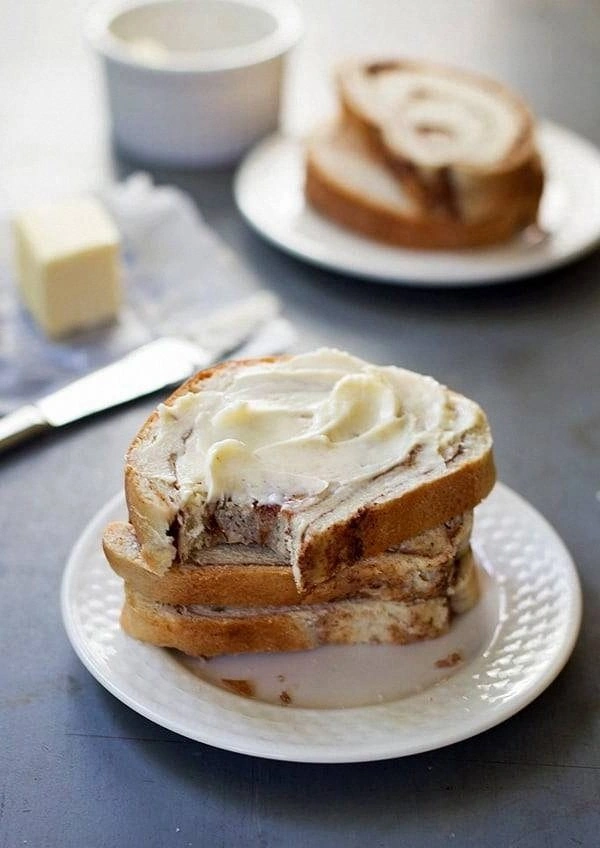
Picture this: the moment the dough hits the counter, it feels like a plush pillow under your fingertips, springy yet yielding. The kitchen fills with a sweet, spicy perfume that makes the thermostat forget it’s summer, and the crackle of butter hitting the pan is a soundtrack you’ll replay in your head for days. When the loaf finally emerges, its golden crown glistens like a sunrise, and the swirl—those caramel‑cinnamon ribbons—are as glossy as a freshly polished marble countertop. One bite and you’re hit with a buttery melt that gives way to a warm, cinnamon‑kissed crumb, the kind of texture that makes you want to hug the loaf.
Most cinnamon breads out there either skimp on the spice, over‑sweeten, or end up dense enough to double as a doorstop. This version, however, balances the sweet‑spicy duo with a buttery dough that’s airy enough to float yet sturdy enough to hold its swirl. The secret? A short, gentle rise that builds flavor without over‑inflating, and a cinnamon‑sugar mixture that’s caramelized just enough to stay soft, not crunchy. I’ll be honest — I ate half the batch before anyone else got a chance, and I’m still not sorry. This is hands down the best version you’ll ever make at home.
Okay, ready for the game‑changer? I’m about to drop a technique that most recipes completely ignore: a quick “cold‑proof” after shaping that locks in moisture and creates those perfect, glossy swirls. Trust me, it’s pure magic. Let me walk you through every single step — by the end, you’ll wonder how you ever made it any other way.
What Makes This Version Stand Out
- Flavor: The cinnamon‑sugar swirl is caramelized with butter, giving a deep, toasty sweetness that outshines store‑bought mixes.
- Texture: A tender, airy crumb meets a slightly crisp crust, creating a mouthfeel that’s both soft and satisfying.
- Simplicity: Only nine pantry staples are needed, and the method uses everyday kitchen tools—no stand mixer required.
- Uniqueness: The cold‑proof step after shaping prevents the swirl from flattening, preserving those beautiful ribbons.
- Crowd Reaction: Guests often claim they’ve never tasted cinnamon bread this good; it becomes the centerpiece of brunch or coffee breaks.
- Ingredient Quality: Using real butter and brown sugar adds depth that powdered sugar simply can’t match.
- Cooking Method: A combination of a brief rise, a chill, then a high‑heat bake creates a glossy finish and a fluffy interior.
- Make‑Ahead Potential: The dough can be frozen after the first rise, letting you pull out a fresh loaf whenever the craving hits.
Inside the Ingredient List
The Flavor Base
The sweet backbone of this loaf is a blend of white sugar and brown sugar. White sugar activates the yeast, while brown sugar adds molasses‑rich depth to the dough. Skipping the brown sugar would strip the loaf of its signature caramel notes, leaving it tasting like plain bread with a hint of cinnamon. If you’re out of brown sugar, substitute with an equal amount of white sugar plus a tablespoon of molasses for that same richness.
The Texture Crew
All‑purpose flour provides the structure, but the secret to a tender crumb is the addition of a small amount of milk and a beaten egg. The milk hydrates the gluten, making it pliable, while the egg adds richness and a slight sheen. Using low‑fat milk will produce a drier crumb, so always reach for whole milk or even a splash of cream for extra decadence. If you’re dairy‑free, oat milk works surprisingly well, though you may need an extra teaspoon of oil to compensate for the missing fat.
The Unexpected Star
Unsalted butter is the unsung hero here. It not only flavors the dough but also coats the flour particles, slowing gluten development and yielding that coveted soft texture. A common mistake is using melted butter in the dough; it can make the crumb too tight. Keep the butter soft but not liquid, and fold it in gently after the initial mix. For a vegan twist, replace butter with a high‑quality plant‑based spread, but expect a slightly different flavor profile.
The Final Flourish
Cinnamon, of course, is the star of the swirl. Freshly ground cinnamon releases essential oils that give the bread its aromatic punch. If you use pre‑ground cinnamon that’s been sitting in the pantry for months, the flavor will be muted. I always keep a small tin of cinnamon in the freezer to lock in its potency. Pair it with a dash of vanilla extract in the swirl for an extra layer of warmth that makes the loaf unforgettable.
Everything's prepped? Good. Let's get into the real action...
The Method — Step by Step
Start by warming 1 cup of whole milk to about 110°F (43°C). Sprinkle 1 tablespoon of active dry yeast over the milk, add 2 tablespoons of white sugar, and give it a gentle stir. Let it sit for 5‑7 minutes until it becomes foamy, a sign that the yeast is alive and ready to work. If you don’t see bubbles, your yeast might be dead—don’t panic, just start over with fresh yeast.
In a large mixing bowl, combine 2 cups of all‑purpose flour, 1 teaspoon of salt, and the remaining 2 tablespoons of white sugar. Make a well in the center and pour in the foamy yeast mixture, the beaten egg, and 3 tablespoons of softened butter. Using a wooden spoon, stir until a shaggy dough forms; it should look slightly sticky but manageable.
Turn the dough onto a lightly floured surface and knead for about 8‑10 minutes. You’re aiming for a smooth, elastic ball that passes the “windowpane test” — stretch a small piece; if it becomes translucent without tearing, you’ve developed enough gluten. Watch Out: Over‑kneading can make the loaf tough, while under‑kneading leaves it crumbly.
Place the dough back in the bowl, cover it with a clean kitchen towel, and let it rise in a warm spot for 60‑75 minutes, or until doubled in size. The kitchen should feel like a gentle sauna; if it’s too cool, pop a bowl of hot water nearby to create a warm micro‑environment. While you wait, pre‑heat your oven to 350°F (175°C) so it’s ready for the bake.
While the dough is rising, prepare the swirl mixture: combine ½ cup of packed brown sugar, 2 tablespoons of ground cinnamon, and 2 tablespoons of melted butter in a small bowl. Stir until the mixture forms a thick, glossy paste. This is the part that will give the bread its signature caramel‑cinnamon ribbons.
Once the dough has doubled, gently punch it down to release excess gas. Roll it out on a floured surface into a rectangle about 12×9 inches, about ½‑inch thick. Brush the entire surface with the remaining 2 tablespoons of softened butter, then evenly spread the cinnamon‑sugar mixture over the top, leaving a ½‑inch border around the edges.
Starting from the long side, roll the dough tightly into a log, sealing the seam with a pinch of flour‑dusted fingers. Slice the log into 12 even pieces, each about 1‑inch thick. Place the slices in a greased 9‑inch round or square baking pan, spacing them slightly apart so they can expand without merging.
Cover the pan loosely with plastic wrap and place it in the refrigerator for a 30‑minute cold‑proof. This step is pure magic: the chilled dough retains its shape, and the butter in the swirl solidifies, preventing it from leaking out during the bake.
After the chill, remove the wrap, brush the tops of the rolls with a lightly beaten egg (for a glossy finish), and sprinkle a pinch of sea salt for contrast. Slide the pan into the pre‑heated oven and bake for 25‑30 minutes, or until the tops are deep golden and a tap on the bottom sounds hollow.
Let the bread cool in the pan for 10 minutes, then transfer it to a wire rack. This short rest lets the interior finish setting while the crust stays crisp. Slice, serve, and watch as the cinnamon‑sugar ribbons ooze a buttery, caramel‑kissed sheen with every pull.
That's it — you did it. But hold on, I've got a few more tricks that'll take this to another level...
Insider Tricks for Flawless Results
The Temperature Rule Nobody Follows
Never bake a cinnamon swirl bread at a temperature lower than 350°F. Lower temps cause the butter to melt too quickly, which can make the swirl soggy and the crust pale. A hot oven creates an instant steam burst, puffing the dough and locking in moisture. I once tried a “slow bake” at 325°F and ended up with a gummy center that reminded me of a wet sponge.
Why Your Nose Knows Best
When the loaf reaches the perfect bake, the kitchen will be filled with a sweet, nutty aroma that’s unmistakable. If you can smell the caramel notes before the timer dings, the bread is likely done. Trusting your nose can save you from over‑baking, which turns the tender crumb into a dry, crumbly mess.
The 5‑Minute Rest That Changes Everything
After pulling the loaf from the oven, let it rest uncovered for exactly five minutes before slicing. This short pause allows the steam inside to redistribute, keeping the interior moist while the crust remains crisp. Skipping this step results in a dry slice and a loss of that glorious melt‑in‑your‑mouth texture.
Butter Brush vs. Egg Wash
For a shinier, richer finish, brush the top with melted butter instead of an egg wash. Butter adds flavor and a subtle sheen, while egg wash gives a more pronounced golden crust. My personal favorite is a hybrid: a quick egg wash followed by a butter glaze right after baking.
The Secret of the Cold‑Proof
That 30‑minute chill isn’t just a “let it sit” step; it’s a crucial temperature shock that sets the butter in the swirl, preventing it from seeping out and creating a soggy center. Without it, the cinnamon‑sugar mixture can bleed into the dough, turning the whole loaf into a single, mushy swirl.
Creative Twists and Variations
This recipe is a playground. Here are some of my favorite ways to switch things up:
Apple‑Cinnamon Fusion
Add ½ cup of finely diced, lightly sautéed apples to the swirl mixture. The fruit’s natural sweetness pairs beautifully with the cinnamon, creating pockets of juicy surprise that melt in your mouth.
Nutty Crunch
Stir in ¼ cup of toasted chopped pecans or walnuts into the cinnamon‑sugar blend. The nuts add a satisfying crunch and a buttery undertone that elevates the loaf to a dessert‑grade treat.
Maple‑Brown Sugar Swirl
Replace half of the brown sugar with pure maple syrup and add a teaspoon of maple extract. This gives the swirl a caramel‑like depth that’s perfect for autumn brunches.
Chocolate‑Cinnamon Dream
Mix ¼ cup of mini chocolate chips into the dough before the first rise. The chocolate melts slightly during baking, creating pockets of gooey indulgence that complement the spice.
Savory Herb Twist
Swap the cinnamon for 1 tablespoon of finely chopped rosemary and add a pinch of garlic powder to the swirl. This turns the loaf into a savory side perfect for soups or salads.
Storing and Bringing It Back to Life
Fridge Storage
Place the cooled loaf in an airtight container or a zip‑top bag and store it in the refrigerator for up to 5 days. The butter keeps the crumb moist, but the crust will soften; reheat slices in a toaster or a hot skillet to revive the crispness.
Freezer Friendly
Wrap the entire loaf tightly in plastic wrap, then in aluminum foil, and freeze for up to 3 months. When you’re ready to enjoy it, thaw overnight in the fridge, then warm in a 350°F oven for 10‑12 minutes. The result is as fresh as the day you baked it.
Best Reheating Method
To bring a leftover slice back to life, sprinkle a tiny splash of water on the top, cover with foil, and bake for 5 minutes. The steam revives the interior, while the foil prevents the crust from over‑darkening. For a quick fix, a few seconds in the microwave followed by a quick broil works too, but the oven method yields the best texture.