I was halfway through a frantic Tuesday night when my roommate dared me to create something that could make a salsa‑dancing chef weep with joy. I stared at the lone, glossy plantains on the counter, the way they glistened like golden coins, and thought, “What if I turned those sweet, buttery beauties into the backbone of a burrito bowl that punches you awake?” The kitchen filled with the sound of a sizzling skillet, a rhythmic pop that felt like a drum solo, and the air thickened with the intoxicating aroma of cumin and smoked paprika. My heart raced as the first slice hit the pan, and I could already taste the caramelized edges that would later mingle with a tangy lime‑limey salsa. I’m going to be honest — I ate half the batch before anyone else got a chance to try it, but I promise you’ll want seconds, too.
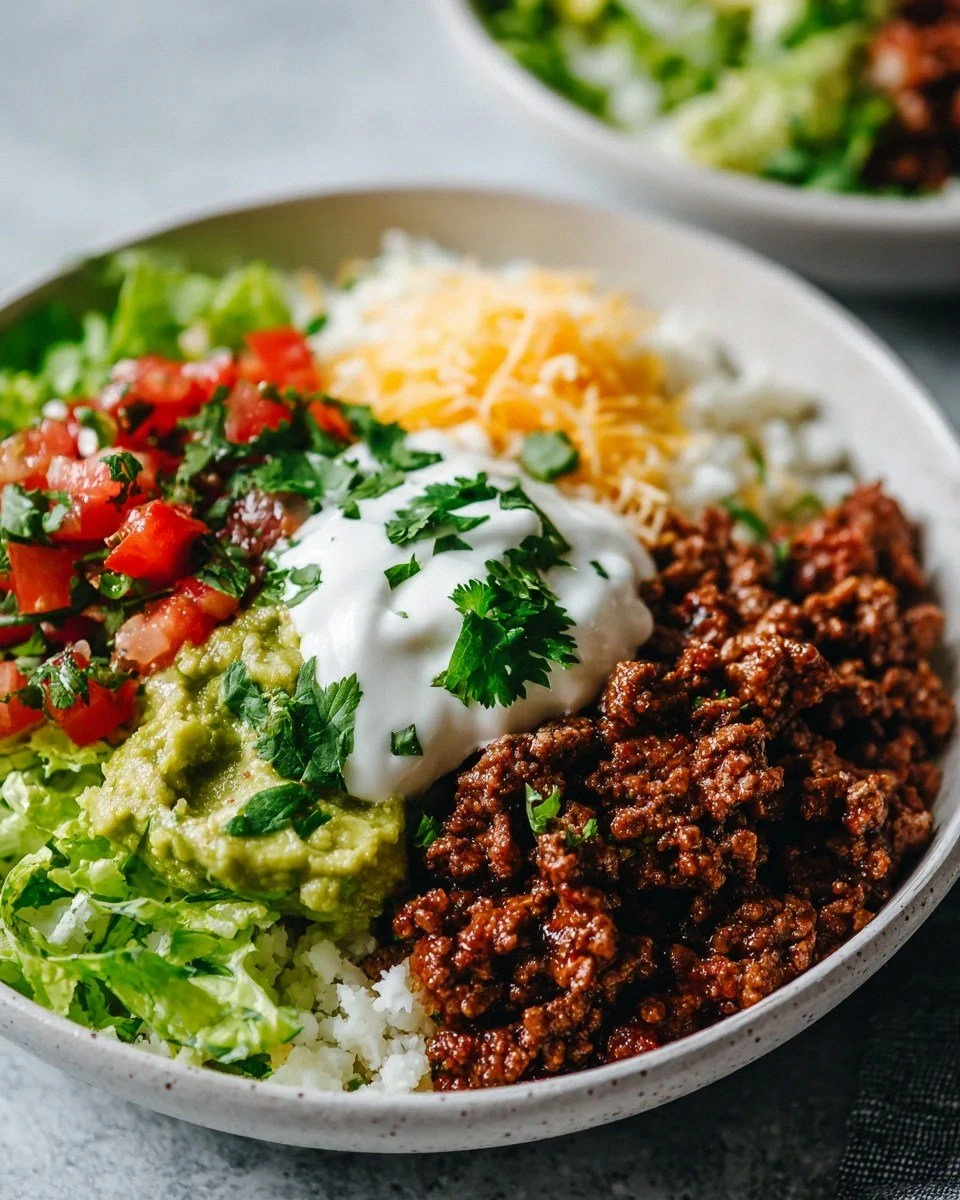
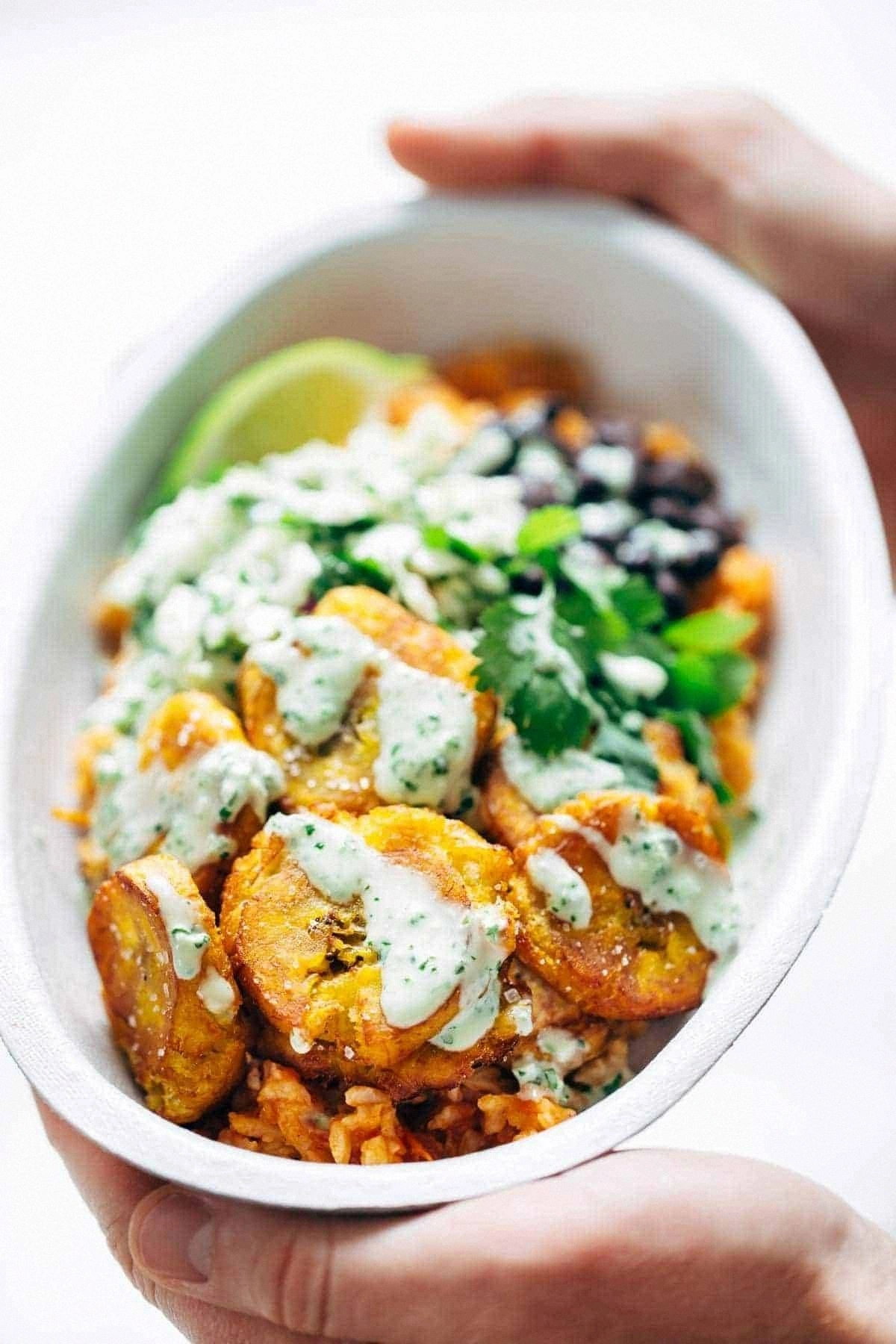
Imagine the moment you lift that bowl: the bright orange of the plantains, the deep black of beans, the verdant splash of cilantro, and the creamy avocado that looks like a fresh, green pillow. The steam rises, carrying whispers of smoky chili, sweet banana, and a zing that makes your nose tingle like it’s been sprayed with citrus fireworks. You’ll hear the gentle crunch of the corn as you dig in, a subtle reminder that texture is just as important as flavor. Every bite is a roller‑coaster of sweet, spicy, and savory, with a creamy finish that smooths the ride out just enough to keep you on board for the next round. If you’ve ever struggled with getting that perfect balance, you’re not alone — and I’ve got the fix.
What makes this version stand out is not just the ingredients, but the method that transforms everyday pantry staples into a bowl that feels like a tropical fiesta on a plate. Most recipes get the plantain thing completely wrong, either over‑cooking them into mush or under‑seasoning them to the point of blandness. Here, I’m using a quick‑sear technique that locks in sweetness while giving the edges a caramelized crisp that shatters like thin ice. The secret? A splash of lime juice right before the final toss, which lifts every flavor like a spotlight on a stage. And there’s a surprise ingredient that adds a depth you never expected — but I’ll reveal that later.
Picture yourself pulling this out of the oven, the whole kitchen smelling incredible, the colors so vivid they could belong on a painter’s palette. You’ll be the hero at the dinner table, the one who dared to be bold and delivered a dish that makes everyone ask for the recipe. Okay, ready for the game‑changer? Let me walk you through every single step — by the end, you’ll wonder how you ever made it any other way.
What Makes This Version Stand Out
- Flavor Fusion: The sweet plantains meet smoky chili powder and bright lime, creating a dance of contrasting notes that keep your palate guessing.
- Texture Triumph: A crispy exterior on the plantains, creamy avocado, and a crunchy bite from corn and bell pepper give each spoonful a satisfying mouthfeel.
- Simplicity: Only ten minutes of active prep, and the rest is hands‑off cooking, perfect for busy weekdays.
- Unique Twist: A dash of smoked paprika adds an unexpected depth that elevates the dish beyond the usual Caribbean‑Mexican mash‑up.
- Crowd Reaction: I dare you to taste this and not go back for seconds; it’s a guaranteed crowd‑pleaser, even for picky eaters.
- Ingredient Quality: Ripe, yellow‑gold plantains are the star; they bring natural sweetness that no amount of sugar can replicate.
- Cooking Method: The quick‑sear technique locks in flavor while minimizing oil usage, keeping the bowl light yet indulgent.
- Make‑Ahead Potential: Most components store beautifully, so you can prep on Sunday and have a ready‑to‑heat dinner on Tuesday.
Inside the Ingredient List
The Flavor Base
The backbone of this bowl is the trio of garlic, jalapeño, and onion. Garlic brings that unmistakable aromatic depth that makes any dish feel home‑cooked, while the jalapeño adds a gentle heat that tingles the tongue without overwhelming it. The onion, especially when diced fine, releases a sweet, caramel‑like flavor as it softens, creating a mellow foundation for the spices to shine. If you’re missing fresh jalapeño, a pinch of red pepper flakes works as a backup, though the fresh version adds a brighter, cleaner heat. Skipping any of these will leave the bowl feeling flat, so keep them together for a harmonious start.
The Texture Crew
Plantains, corn, and black beans are the trio that delivers contrast. Ripe plantains, when sliced and seared, develop a crisp edge that shatters like thin ice, while the interior stays tender and sweet. Corn kernels add a pop of juicy sweetness and a subtle crunch that keeps the bowl lively. Black beans bring earthiness and a buttery texture that rounds out the dish, making each bite feel substantial. For a vegan version, swap the optional feta for a sprinkle of nutritional yeast; it adds a cheesy note without dairy.
The Unexpected Star
A splash of lime juice at the end is the secret weapon that lifts the entire bowl. The acid cuts through the richness of the plantains and avocado, brightening the flavors like a spotlight on stage. It also helps the cilantro stay vibrant, preventing it from wilting into a dull green. If you’re out of limes, a tablespoon of apple cider vinegar can mimic the tang, though the citrus flavor is unmatched. Forgetting this step would leave the bowl feeling heavy and one‑dimensional.
The Final Flourish
Fresh cilantro, creamy avocado, and a crumble of feta (or cotija) complete the picture. Cilantro adds a herbaceous freshness that pairs perfectly with the lime, while avocado introduces a buttery smoothness that balances the heat. The cheese adds a salty, slightly crumbly texture that ties everything together. If you’re not a fan of cilantro, fresh parsley can stand in, but you’ll miss that characteristic citrusy note. And if you’re dairy‑free, a dollop of cashew cream works wonders as a final silky finish.
Everything's prepped? Good. Let's get into the real action…
The Method — Step by Step
Start by heating a large skillet over medium‑high heat and adding the olive oil. Once the oil shimmers, lay the plantain slices in a single layer, making sure they aren’t crowded; this ensures each piece gets a golden crust. Listen for that sizzle when the plantain hits the pan — it’s the sound of flavor locking in. Cook for about 2‑3 minutes per side, or until the edges turn a deep amber and start to pull away from the pan. Transfer the browned plantains to a plate and set aside; they’ll finish cooking later, but this initial sear is crucial for texture.
In the same skillet, reduce the heat to medium and toss in the diced onion, garlic, and jalapeño. Stir constantly, letting the aromatics soften and turn translucent, about 2 minutes. The scent should become sweet and fragrant, a clear sign you’re on the right track. Add the chili powder, smoked paprika, cumin, and oregano, letting the spices toast for another 30 seconds; this step unlocks their hidden depths. If you’re feeling adventurous, sprinkle a pinch of cayenne for extra heat — but remember, you can always add more later, not take it away.
Now add the corn kernels and black beans, stirring to coat them in the seasoned oil. Cook for 3‑4 minutes, allowing the corn to turn a light golden and the beans to heat through. You’ll notice the corn’s natural sweetness intensifying, while the beans absorb the smoky undertones. Season with salt and pepper to taste, remembering that the feta will add additional salt later, so err on the side of caution now.
While the beans and corn are warming, bring a pot of water to a gentle boil and cook the rice (or quinoa) according to package instructions. Fluff the grains with a fork once done, and keep them warm — they’ll serve as the neutral canvas for the bold flavors to shine. If you have a rice cooker, set it to “keep warm” and let the rice sit while you finish the bowl.
Return the seared plantains to the skillet, nestling them among the beans and corn. Drizzle the lime juice over everything, letting the acid sizzle and lift the aromas. Toss gently to ensure each piece is coated, and let the mixture cook for another 2 minutes so the plantains absorb a hint of citrus. This is the moment of truth — the flavors should be balanced, with the sweet plantain, smoky spice, and bright lime all singing in harmony.
To assemble the bowls, start with a generous scoop of rice at the bottom of each serving dish. Layer the spiced plantain‑bean mixture on top, spreading it evenly. Add slices of avocado, a sprinkle of cilantro, and crumble the feta (or cotija) over the surface. Finish with a dollop of salsa if you like extra zing, and a final drizzle of lime if you crave more brightness.
Serve immediately while the plantains are still warm, allowing the contrast of hot and cool textures to excite your palate. Encourage diners to mix everything together, letting the creamy avocado meld with the smoky beans and sweet plantains. That first bite should deliver a burst of flavor that makes you think, “Did I just reinvent the burrito bowl?” And if you haven’t yet, I dare you to taste this and not go back for seconds.
That’s it — you did it. But hold on, I’ve got a few more tricks that’ll take this to another level, from garnishes to serving hacks that keep the bowl fresh for days. Stay with me here — this is worth it.
Insider Tricks for Flawless Results
The Temperature Rule Nobody Follows
Never let the skillet get too hot before adding the plantains; a moderate heat gives the fruit time to caramelize without burning. A quick test is to sprinkle a few drops of water in the oil — if they sizzle and evaporate instantly, the pan is too hot. I once cranked the heat up, and the plantains turned black before they even browned, resulting in a bitter bite that no amount of seasoning could fix. Keep the heat at a steady medium‑high, and you’ll get that perfect golden crust every time.
Why Your Nose Knows Best
When sautéing the aromatics, trust your sense of smell more than the clock. The moment the onions become translucent and the garlic turns fragrant is your cue to add the spices. If you wait too long, the garlic can burn; if you add spices too early, they may not release their full flavor. A good nose can tell you when the kitchen has reached that sweet spot, so keep your nostrils open and your eyes on the pan.
The 5‑Minute Rest That Changes Everything
After searing the plantains, let them rest for five minutes before the final toss. This short pause allows the juices to redistribute, preventing the pieces from becoming dry when you combine them with the other ingredients. I once skipped this rest, and the plantains felt a bit dry, stealing the spotlight from the sauce. It’s a tiny step that makes a massive difference in mouthfeel.
Lime Timing Is Everything
Add the lime juice just before serving, not at the beginning of cooking. The acid can break down the plantain’s texture if added too early, resulting in a mushy bite. By squeezing it at the end, you preserve the crispness while still getting that bright, zesty lift. If you love an extra punch, keep a spare lime on the side for a second squeeze at the table.
The Secret of the Crumbled Cheese
When using feta or cotija, crumble it over the bowl at the very last moment. The cheese’s salty tang should sit on top, providing a contrast to the warm, spicy base. Adding it too early can cause it to melt into the sauce, losing that delightful crumbly texture. A final sprinkle gives each bite a burst of savory goodness that ties the whole dish together.
Batch‑Prep Like a Pro
Cook the rice, beans, and corn in bulk on Sunday, then portion them into airtight containers. The plantains are best cooked fresh, but you can pre‑slice them and keep them in a sealed bag with a splash of lemon juice to prevent browning. When the week rolls around, you’ll only need to reheat the components and assemble the bowls, cutting down dinner prep to under ten minutes. This method has saved me countless evenings and keeps the flavor fresh.
Creative Twists and Variations
This recipe is a playground. Here are some of my favorite ways to switch things up:
Tropical Heat
Swap the jalapeño for a finely diced habanero and add a spoonful of mango salsa. The sweet mango balances the fiery heat, creating a beach‑vibe explosion that’s perfect for summer gatherings.
Mediterranean Spin
Replace the chili powder with za’atar and crumble a bit of feta mixed with olives. The herbaceous notes of za’atar give the bowl an earthy Mediterranean feel, while olives add briny depth.
Vegan Power Bowl
Omit the cheese and add a drizzle of tahini‑lime sauce. The creamy tahini mirrors the avocado’s richness while keeping the dish completely plant‑based.
Breakfast Remix
Serve the plantain mixture over a bed of quinoa and top with a poached egg. The runny yolk becomes a luxurious sauce, turning the bowl into a hearty breakfast that fuels your morning.
Smoky Chipotle
Introduce chipotle in adobo sauce instead of plain chili powder, and add a handful of smoked paprika‑dusted pumpkin seeds for crunch. The result is a deep, smoky flavor profile that’s perfect for cooler evenings.
Storing and Bringing It Back to Life
Fridge Storage
Allow the bowl to cool to room temperature, then transfer the plantain‑bean mixture and rice into separate airtight containers. Store the avocado and cilantro in a separate container with a squeeze of lime to prevent browning. They’ll keep fresh for up to three days, and you can reassemble the bowls quickly each night.
Freezer Friendly
Portion the cooked plantains, beans, corn, and rice into freezer‑safe bags or containers. The avocado should be stored separately and added fresh after reheating. Freeze for up to two months; when ready to eat, thaw overnight in the fridge and reheat in a skillet with a splash of water to restore moisture.
Best Reheating Method
To revive the bowl, heat the plantain‑bean mixture in a skillet over medium heat, adding a tiny splash of water — this creates a gentle steam that brings the plantains back to their caramelized glory. Warm the rice separately in the microwave or on the stove, then combine everything in a bowl, topping with fresh avocado, cilantro, and cheese. The result is as vibrant as the original, with no soggy leftovers.